
A University of Utah analysis of national health and census data shows that people living in rural areas face greater barriers to cancer prevention than their urban counterparts, with the widest gap appearing in colorectal cancer screening rates. The research combined Census Bureau demographic data with Centers for Disease Control and Prevention (CDC) health surveillance figures to compare risk factors and screening behavior for colorectal, cervical and breast cancers across the rural-urban divide.
Screening Gaps Vary by Cancer Type
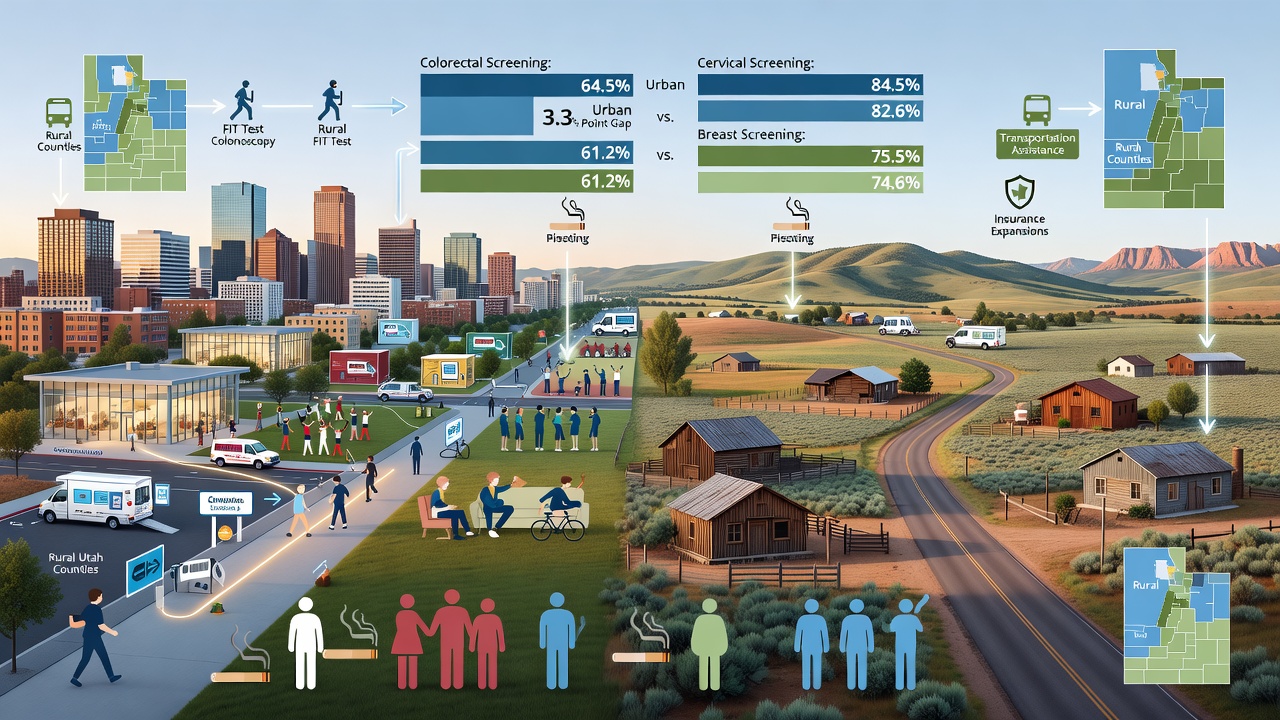
The study found that colorectal cancer screening showed the largest urban-rural disparity among the three cancers examined: 64.5% of urban residents reported being screened compared with 61.2% of rural residents, a gap of roughly 3.3 percentage points. Cervical and breast cancer screening rates were more closely matched between the two groups. Cervical cancer screening stood at 84.5% in urban areas versus 82.6% in rural areas, while breast cancer screening rates were 75.5% and 74.6%, respectively. Researchers noted that while all three gaps favored urban populations, the disparity in colorectal screening was notably more pronounced than the others.
Underlying Risk Factors Differ by Geography
Beyond screening access, the study documented that rural communities carry a heavier burden of behavioral and socioeconomic risk factors linked to cancer. Rural populations showed higher rates of smoking, physical inactivity and obesity compared with urban populations. The research also pointed to broader structural disadvantages in rural areas, including greater socioeconomic hardship and more limited access to healthcare services, such as fewer nearby clinics, specialists or diagnostic facilities. These combined factors can compound the risk of later-stage cancer diagnoses when screening is delayed or unavailable.
What This Means for Public Health Planning
The findings suggest that national screening averages can mask meaningful differences in access and outcomes tied to geography. For public health officials and healthcare systems, the data point to colorectal cancer screening as an area where targeted outreach in rural communities could have an outsized impact, given the wider gap observed relative to cervical and breast cancer screening. The study's authors relied on existing CDC survey data and Census Bureau classifications rather than new clinical trials, so the findings describe patterns and associations rather than establishing direct causes. Further research would be needed to identify which specific interventions, such as mobile screening units, insurance coverage expansions or transportation assistance, most effectively close these gaps in rural settings.
Context for Readers
Routine cancer screening guidelines in the United States are generally set by organizations such as the U.S. Preventive Services Task Force, and recommended ages and intervals vary by cancer type and individual risk factors. Readers with questions about their own screening schedule should consult a primary care provider, since this study reports population-level trends and does not substitute for individualized medical guidance.