
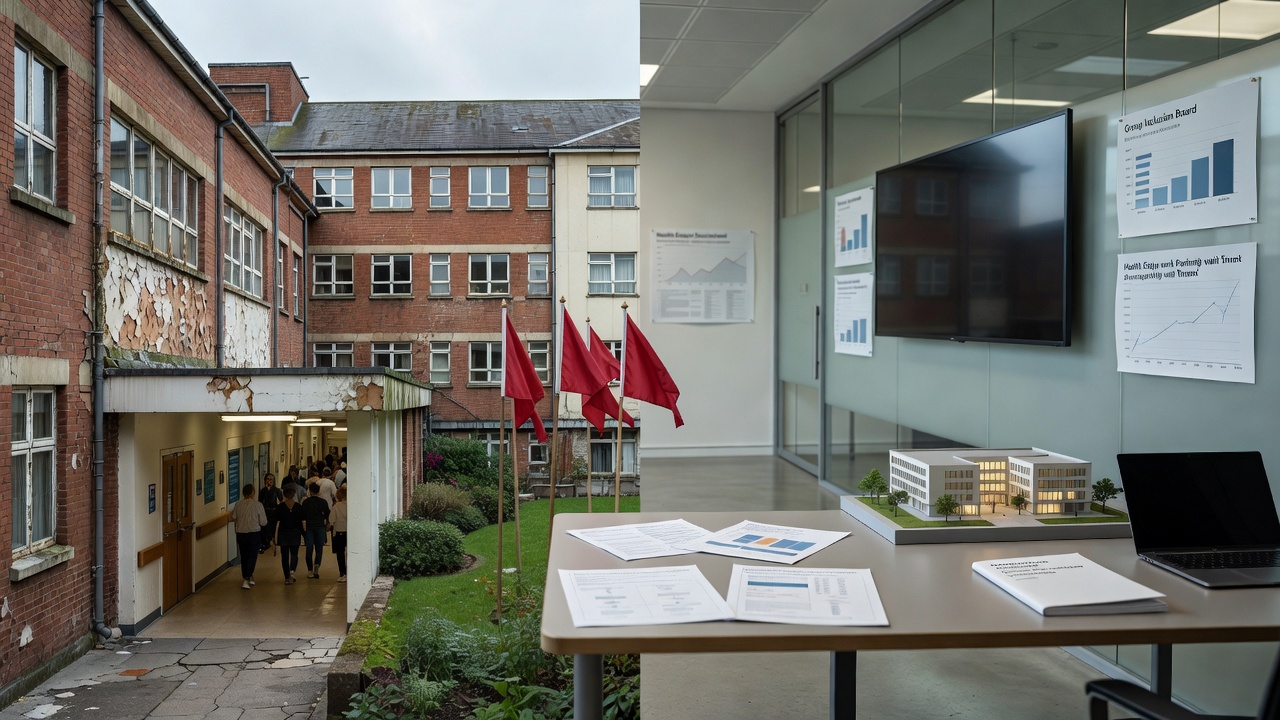
A May inspection by England's Care Quality Commission found that leaders at Epsom and St Helier University Hospitals NHS Trust had not moved quickly enough to fix known risks in maternity, surgery and emergency care. The trust's leadership rating was downgraded to "requires improvement," and inspectors also raised concerns about staff bullying, hiring disparities and the deteriorating condition of hospital buildings.
What inspectors found
The CQC said there was "limited evidence" that trust leadership had acted with sufficient urgency despite previously flagged problems. Inspectors also found that bullying and harassment remained an issue, particularly for staff with disabilities or long-term health conditions, and that recruitment processes meant to reduce bias were not consistently applied. Data cited in the report showed Black staff and staff from ethnic minority backgrounds were less likely to be hired and remained under-represented in senior management. Separately, inspectors described the trust's aging estate as a "significant safety risk," saying poor building conditions were affecting patient care, especially in the emergency department.
How the trust is responding
Chinyama Okunuga, site chief executive officer, said the trust accepted the findings and was acting to strengthen how it identifies and responds to risk, address inequalities and support staff. Measures already under way include new executive and site leadership appointments, a Group Inclusion Board focused on diversity in senior roles, and revised governance processes intended to escalate safety concerns faster. The trust has also secured £57 million to redevelop the emergency department at St Helier Hospital, including a new Urgent Treatment Centre and expanded same-day emergency care, which officials say should improve patient privacy and reduce overcrowding.
Positive findings alongside the concerns
The inspection was not uniformly negative. Patients told inspectors they felt respected and well cared for despite the building problems, and inspectors noted capable leadership, clearer strategy and improved complaints handling, with complaints down five percent year over year. Partnership work with other health and care providers was credited with shortening wait times and reducing some hospital admissions. The trust has also introduced a health equity dashboard to track differences in patient outcomes and has invested in a new electronic patient record system, though inspectors said more staff training is still needed.
What regulators say happens next
Antoinette Smith, CQC deputy director of hospitals in London, said the regulator had shared its concerns directly with trust leadership and that officials "understand the improvements they need to make." The CQC said it would continue monitoring the trust's progress to help ensure patient safety as changes are implemented, though no specific timeline for re-inspection was given in the report.